



ABOUT THE BOOK
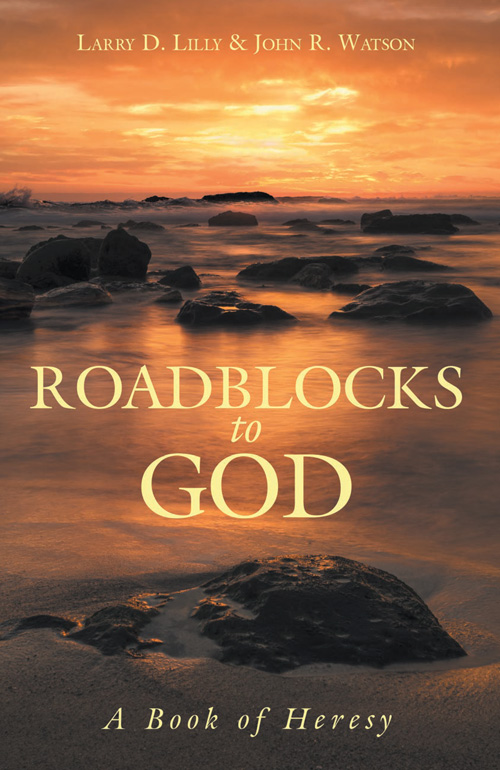
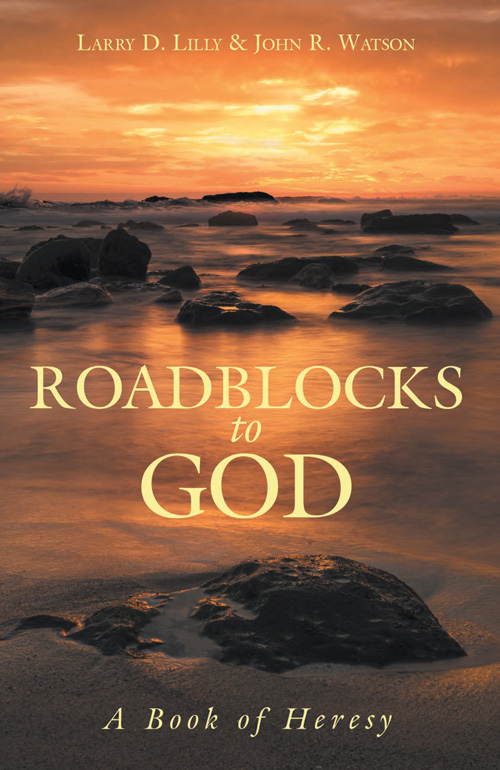
Roadblocks to God
This is a book of heresy. Heresy comes from a Greek word meaning choice. It is a chosen opinion, but one contrary to orthodox religious doctrine. While many people associate this word with error, this association is incorrect. Jesus was a heretic in His day. He stood firm against various religious teachings because these “truths” were only making it harder for people to love God and their neighbor. As it turned out, of course, He was right, and the religious leaders of His day were wrong. By standing firm, He taught us that religious leaders are not infallible. This should not surprise us. They are human beings, none of whom have yet been perfected. Even as we strive to do well, we can and do make mistakes. While some mistakes mean little, others matter a great deal. It was true two thousand years ago, and it is true today. If there are ideas being taught that stand in the way of furthering our relationship with God, they must be called into question.
We are heretics. We have a different opinion about God. We have looked closely at the Greek and Hebrew texts and concluded that many passages in modern English translations have been translated to support various doctrines. Our view is that, in some instances, these translations have made it harder to know and love God. Our goal is to present these old texts with the meaning the writers intended. By doing so, we hope to reveal God in a way that eliminates any doubts about His love for His entire creation. After all, “God is Light, and in Him there is no darkness at all” (1 John 1:5 NASB).
The Author
Larry D. Lilly and John R. Watson are heretics. They are not professional theologians or clergy, and therefore not bound by traditional doctrines of the church.
Buy the Book
Have you longed to feel God’s love but have been unable to? Come, join this journey to remove unnecessary roadblocks to Him. God loves you!
 imunify-bot-check